-News Center-
US ITC Launches Anti-Circumvention Probe on Chinese Hydraulic Valves
The U.S. International Trade Commission (ITC) initiated an anti-circumvention investigation on April 19, 2026, concerning hydraulic control valves originating in China and routed through third countries—including Vietnam and Mexico—for export to the United States. This action directly affects exporters based in Dongguan, Ningbo, and other regions, with 37 companies named in the probe. Industry stakeholders in industrial automation, heavy machinery manufacturing, and global hydraulic component supply chains should monitor developments closely—given the investigation’s potential impact on tariff classification, customs clearance, and near-term export viability.
Event Overview
On April 19, 2026, the U.S. International Trade Commission (ITC) announced the initiation of an anti-circumvention investigation (Case No. TA-1001-234), pursuant to a petition filed by the Hydraulic Manufacturers Association (HMA). The probe examines whether certain hydraulic control valves classified under HS code 8481.80.90—including proportional valves and servo valves—manufactured in China and subsequently assembled or processed in Vietnam or Mexico are circumventing the antidumping duty order issued in 2023. The investigation covers 37 Chinese exporting entities located primarily in Dongguan and Ningbo.
Industries Affected by Product Category and Supply Chain Role
Direct Exporters and Trading Companies
These firms—named or potentially implicated in the investigation—are subject to immediate scrutiny regarding shipment documentation, origin declarations, and assembly process transparency. Impact manifests in delayed U.S. customs clearance, increased audit risk, and possible retroactive duty assessments if the ITC finds evidence of circumvention.
Component Manufacturers and Tier-2 Suppliers
Suppliers providing valve bodies, solenoids, or precision-machined parts to final assemblers in Vietnam or Mexico may face downstream compliance inquiries. Though not directly named, their traceability systems and material certifications (e.g., country-of-origin documentation for subcomponents) could become critical during ITC verification steps.
OEMs and System Integrators Using Chinese-Origin Valves
Manufacturers integrating these valves into larger hydraulic systems—or exporting finished equipment containing them—may encounter classification challenges at U.S. ports. Customs may require additional proof of substantial transformation in third countries, affecting lead times and landed cost predictability.
Logistics and Trade Compliance Service Providers
Firms offering customs brokerage, origin certification, or tariff engineering support must now assess whether existing service protocols align with ITC’s evolving evidentiary standards for “substantial transformation.” Clients may request enhanced documentation packages, including step-by-step assembly records and supplier affidavits.
What Relevant Enterprises or Practitioners Should Monitor and Do Now
Track official ITC procedural deadlines and public record submissions
The ITC will issue a notice of institution with key timelines—including deadlines for written comments, factual information submissions, and potential hearings. Stakeholders should register for ITC’s electronic docket system (EDIS) to receive updates on Case TA-1001-234 without delay.
Review current product routing and assembly documentation for HS 8481.80.90 items
Companies shipping hydraulic valves via Vietnam or Mexico should compile and validate records demonstrating the extent and nature of processing performed abroad—particularly whether operations meet the legal threshold for “substantial transformation” under U.S. customs law. Focus should be on labor content, value-added percentage, and functional change—not just labeling or packaging.
Distinguish between policy signals and enforceable outcomes
This is an investigation—not a determination. A finding of circumvention would only take effect upon final ITC determination (expected within ~12 months), and even then, implementation depends on coordination with U.S. Customs and Border Protection (CBP). Interim enforcement actions remain discretionary and case-specific.
Prepare contingency plans for procurement and logistics
Consider short-term alternatives: sourcing from non-investigated jurisdictions, adjusting Incoterms to shift origin-related responsibilities, or pre-filing binding rulings with CBP where feasible. Avoid abrupt changes that lack documentary support; consistency across invoices, packing lists, and certificates of origin is essential.
Editorial Perspective / Industry Observation
From an industry perspective, this probe signals growing U.S. enforcement focus on indirect trade routes for high-precision industrial components—not just final goods. It reflects a broader trend where regulatory attention extends beyond direct exports to include transshipment patterns involving intermediate assembly. Analysis来看, the selection of HS 8481.80.90—a code covering mission-critical hydraulic elements used in aerospace, construction, and factory automation—suggests strategic targeting rather than broad-based scrutiny. Observation来看, the timing (nearly three years after the original 2023 antidumping order) indicates maturation of U.S. agencies’ data-sharing and cross-border verification capabilities. Current更值得关注的是 how CBP interprets “simple assembly” versus “substantial transformation” in practice—since that interpretation will shape real-world enforcement long before the ITC issues its final report.
This development does not represent an automatic tariff increase, nor does it invalidate existing shipments. Rather, it introduces a new layer of compliance diligence for exporters and users of Chinese-origin hydraulic valves destined for the U.S. market. The investigation serves primarily as a procedural signal—highlighting heightened scrutiny of third-country processing models—and underscores the importance of verifiable, auditable supply chain documentation over structural assumptions about routing efficiency.
Information Source: U.S. International Trade Commission (ITC) Official Notice, Case No. TA-1001-234, published April 19, 2026. Ongoing developments—including responses from respondents, ITC staff reports, and potential CBP guidance—remain subject to observation and are not yet publicly available.
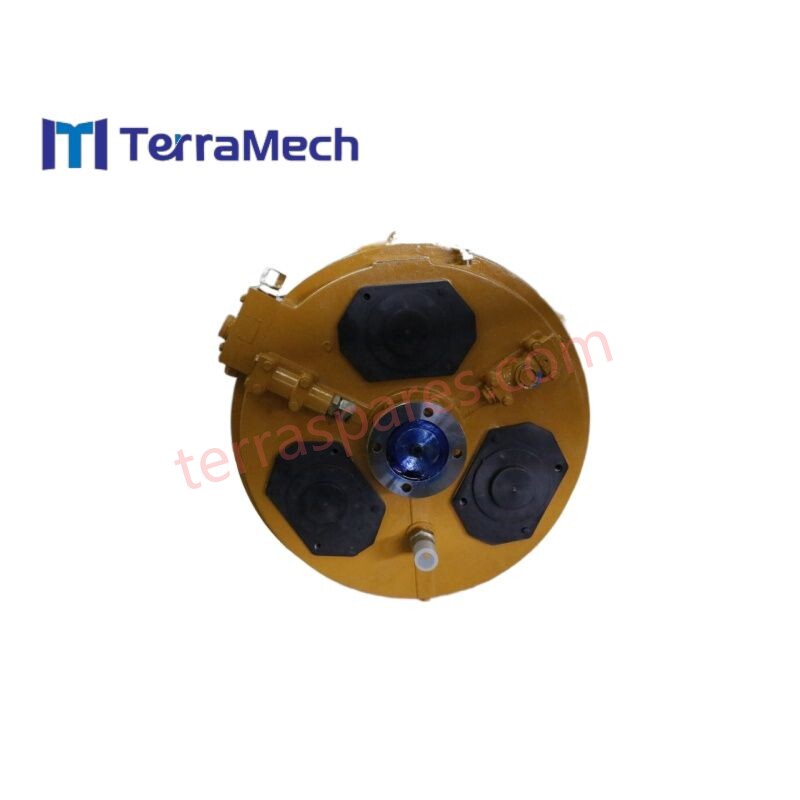
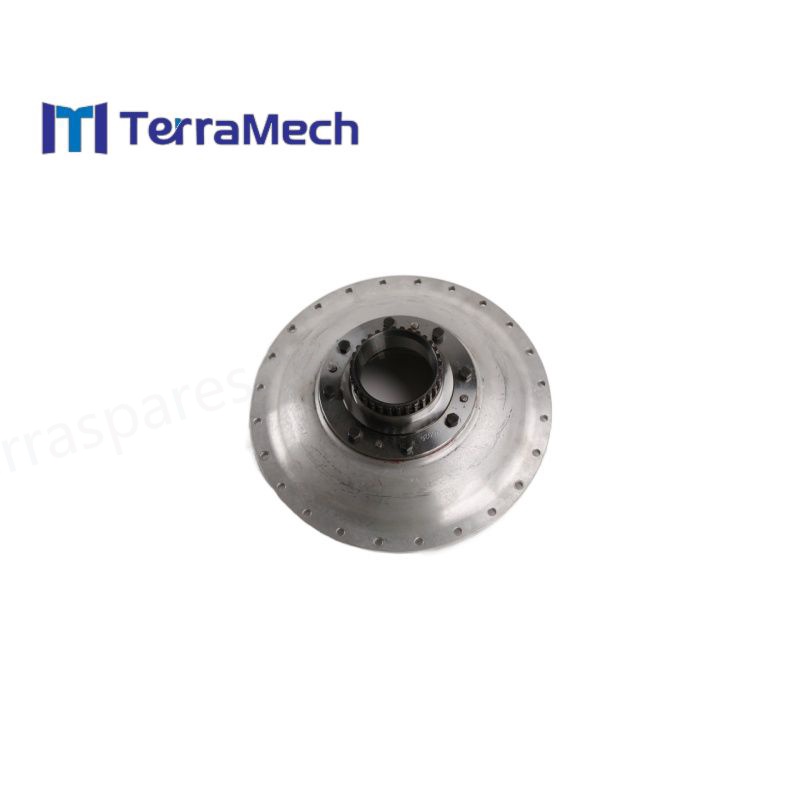
 5508972 SEM TORQUE CONVERTER WHEEL LOADER SPARE PARTSAccessories Category:Torque Converter System
Accessories Name: YJ380 Torque Converter
SEM Accessories Code:5508972
Specification: 5508972
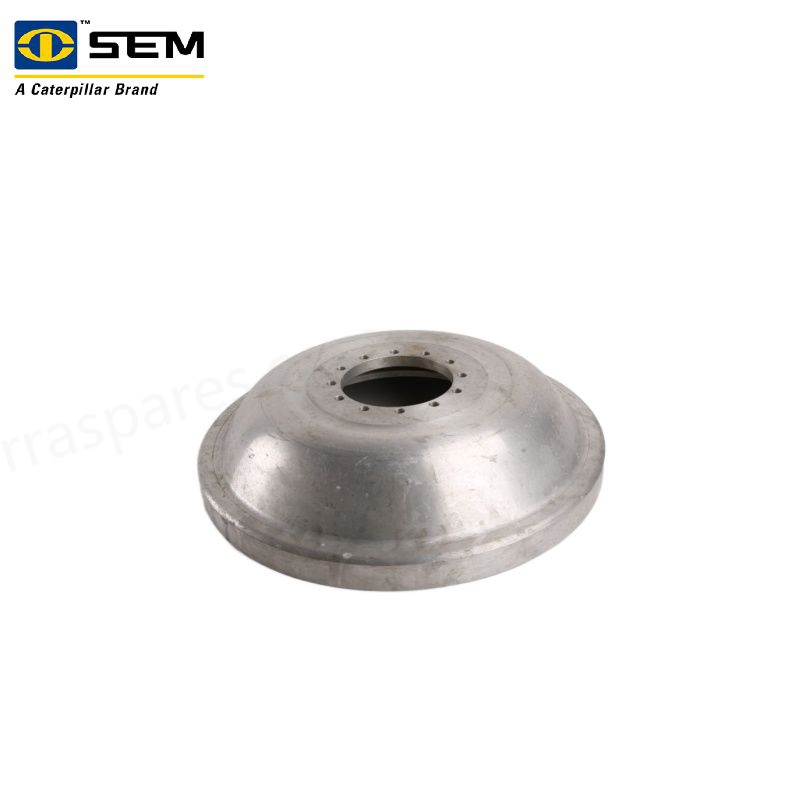
Suitable Vehicle Model:SEM663D SEM660D 5371024 PULLEY SEM WHEEL LOADER PULLEY SPARE PARTSSEM618D SEM636D SEM655D WHEEL LOADER TRANSMISSION SPARE PARTS
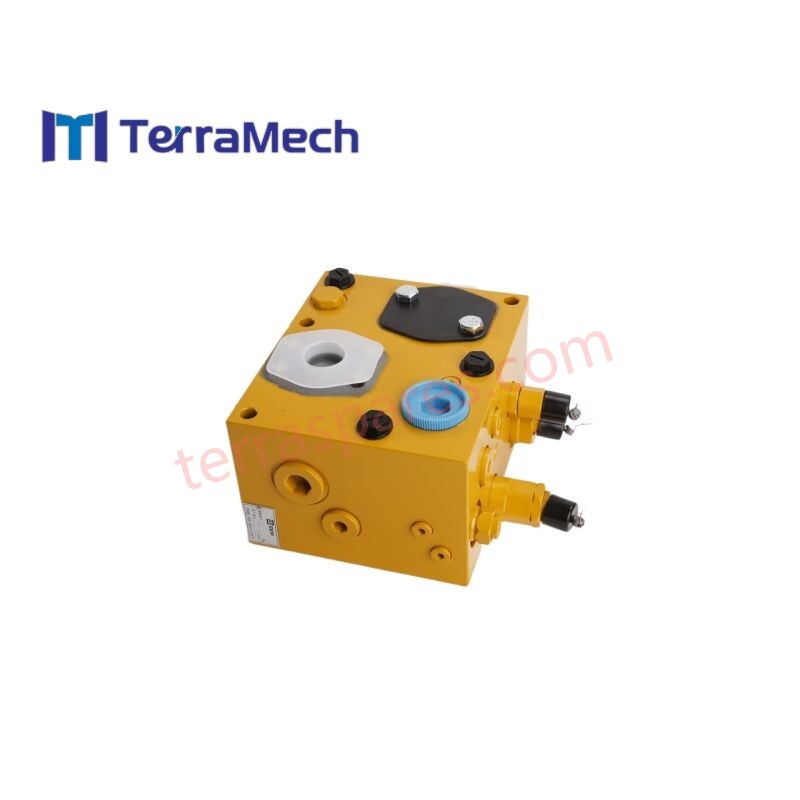
 5846875 VALVE SEM WHEEL LOADER GENUINE VALVE PARTSAccessories Category:Hydraulic System
Accessories Name: Cartridge valve
SEM Accessories Code:5846875
Specification:5846875 5402771 Pulley SEM WHEEL LOADER TRANSMISSION PARTSSEM636D SEM655D SEM656D WHEEL LOADER PARTS