-News Center-
EU Imposes Provisional Anti-Dumping Duties on Chinese Alkylphosphonic Acids
On 13 May 2026, the European Commission issued a provisional anti-dumping ruling on alkylphosphonic acids and their sodium salts originating in China. The decision introduces steep provisional duties—up to 219.4% for certain exporters—and directly affects manufacturers and suppliers of general-purpose mechanical components whose production or supply chains rely on these chemical intermediates.
Event Overview
On 13 May 2026, the European Commission announced its provisional determination in the anti-dumping investigation concerning imports of alkylphosphonic acids and their sodium salts from China. The Commission found evidence of dumping and injury to EU producers, leading to the imposition of provisional anti-dumping duties ranging from 0% to 219.4%, depending on the exporting company’s cooperation and verification status. These substances are classified under CN codes 2931.90 and 2919.90 and are used primarily as specialty additives in metal surface treatment, corrosion-resistant coatings, and functional finishing of industrial components.
Industries Affected
Direct trading enterprises: Exporters of alkylphosphonic acids—or blended formulations containing them—face immediate customs clearance delays, increased bond requirements, and potential rejection at EU borders if origin documentation or product classification is contested. Duty liability is retroactive to the date of registration of the complaint (28 October 2025), meaning shipments arriving after that date may be subject to duty assessment upon release.
Raw material procurement enterprises: Importers sourcing finished components (e.g., hydraulic fittings, fasteners, bearing seals) from Chinese OEMs or Tier-2 suppliers must now verify whether alkylphosphonic acid-based pretreatment or passivation steps were applied during manufacturing. Absent traceable process documentation, EU importers risk classification disputes, customs audits, and liability for unpaid duties under the EU’s ‘joint and several liability’ principle for customs debt.
Processing and manufacturing enterprises: Chinese manufacturers producing general-purpose mechanical parts with integrated surface treatment lines using alkylphosphonic acid derivatives may see order cancellations or requests for alternative chemistries from EU clients. While not directly subject to duties as non-exporters of the chemical itself, their downstream competitiveness erodes if requalification of processes or raw materials triggers lead-time extensions or cost inflation exceeding 15–20%.
Supply chain service enterprises: Logistics providers, customs brokers, and technical compliance consultants report rising demand for substance-specific origin tracing, REACH/CLP alignment checks, and tariff classification validation. Their exposure lies less in direct duty liability and more in contractual liability for misclassification or failure to flag regulatory exposure—particularly where Incoterms place classification responsibility on the service provider (e.g., DDP arrangements).
Key Focus Areas and Recommended Actions
Verify product scope and classification rigorously
Alkylphosphonic acids are often embedded in proprietary blends or multi-step surface treatments. Enterprises should commission third-party lab analysis and obtain binding tariff information (BTI) rulings from EU member state customs authorities—not relying solely on supplier declarations.
Map and document upstream chemical usage
Manufacturers exporting mechanical components must reconstruct process flowcharts identifying all stages involving phosphonic acid derivatives—even if used only for rinsing or micro-etching. Documentation should include batch-level chemical safety data sheets (SDS), process validation reports, and supplier attestations covering both active ingredients and impurities.
Assess alternative chemistries and dual-sourcing feasibility
Given the magnitude of provisional duties, switching to non-phosphonic alternatives (e.g., silane-based or zirconium-based conversion coatings) is technically viable for many applications—but requires revalidation of adhesion, salt-spray resistance, and RoHS/REACH compliance. Lead times for full qualification typically range from 8 to 14 weeks.
Engage proactively in the review process
The provisional measures will remain in force for up to six months, pending final determination. Exporters and EU importers with substantial trade volume may submit factual comments to the Commission by 15 July 2026. Participation does not require legal representation but must include verifiable data on costs, sales, and market conditions.
Editorial Perspective / Industry Observation
Observably, this case marks a strategic shift in EU trade enforcement: rather than targeting high-profile finished goods, regulators are increasingly scrutinizing low-volume, high-functionality chemical inputs that enable broader industrial output. Analysis shows that alkylphosphonic acids appear in fewer than 0.3% of EU customs declarations—but their presence correlates strongly with higher-value mechanical exports, suggesting the Commission is pursuing ‘leverage points’ in value chains. From an industry perspective, this reflects growing convergence between chemical regulation (REACH), trade policy (anti-dumping), and industrial strategy (critical raw materials initiative). It is better understood not as an isolated chemical dispute, but as an early signal of intensified due diligence expectations across cross-border B2B manufacturing ecosystems.
Conclusion
This provisional ruling underscores how regulatory actions on niche chemical intermediates can cascade through global mechanical component supply networks—altering cost structures, qualifying timelines, and contractual risk allocation. For affected enterprises, the priority is no longer just tariff mitigation, but systemic visibility into chemical process footprints. A rational interpretation is that resilience will depend less on geographic diversification alone, and more on transparent, auditable, and chemistry-aware supply chain governance.
Source Attribution
European Commission Notice of Initiation (OJ C 412, 28 October 2025); Provisional Determination (Commission Implementing Regulation (EU) 2026/XXXX, published 13 May 2026); TARIC database updates effective 15 May 2026. Note: Final determination is expected by 13 November 2026; duty rates, product scope, and exemption criteria remain subject to revision pending submissions and verification visits. Monitoring of related investigations—including possible anti-subsidy proceedings—is advised.
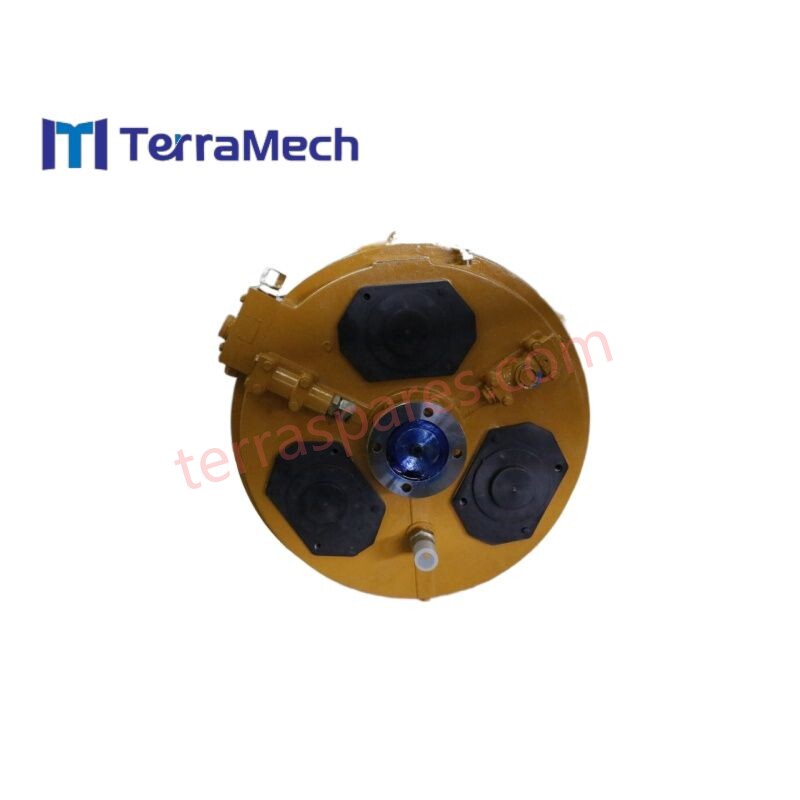
 5508972 SEM TORQUE CONVERTER WHEEL LOADER SPARE PARTSAccessories Category:Torque Converter System
Accessories Name: YJ380 Torque Converter
SEM Accessories Code:5508972
Specification: 5508972
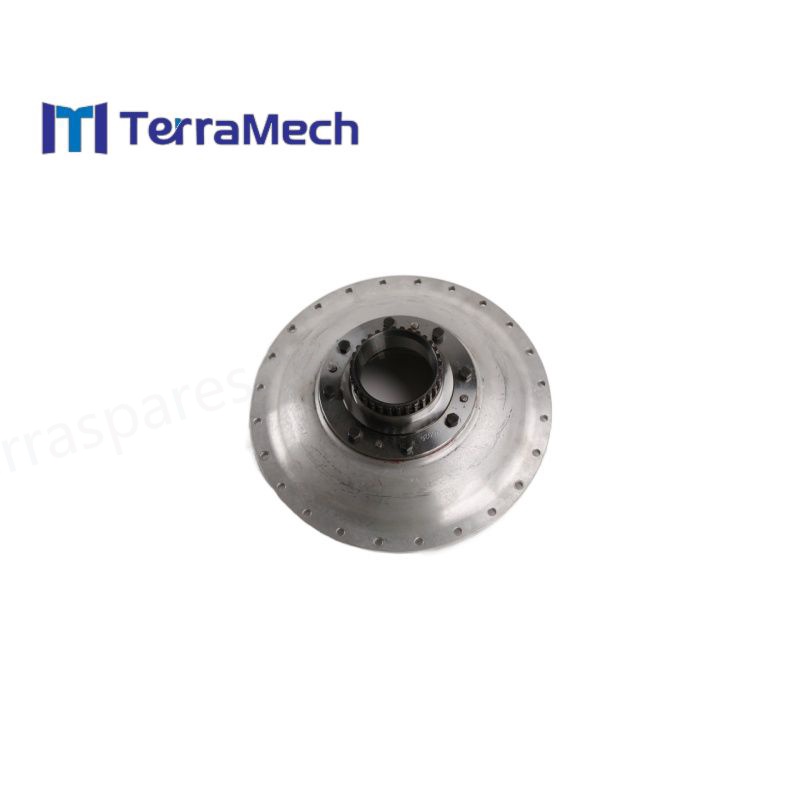
Suitable Vehicle Model:SEM663D SEM660D 5371024 PULLEY SEM WHEEL LOADER PULLEY SPARE PARTSSEM618D SEM636D SEM655D WHEEL LOADER TRANSMISSION SPARE PARTS
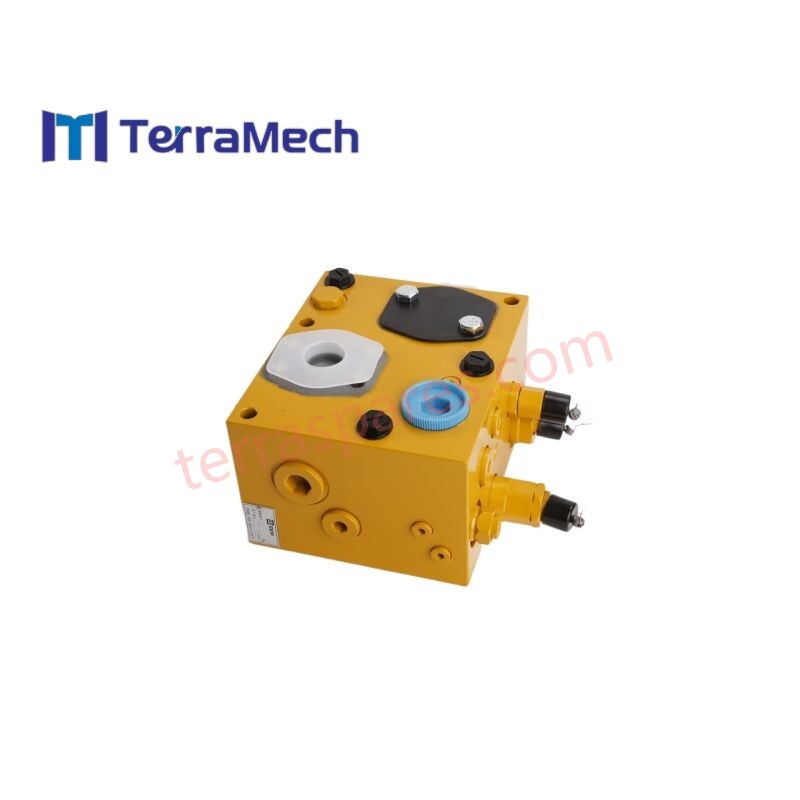
 5846875 VALVE SEM WHEEL LOADER GENUINE VALVE PARTSAccessories Category:Hydraulic System
Accessories Name: Cartridge valve
SEM Accessories Code:5846875
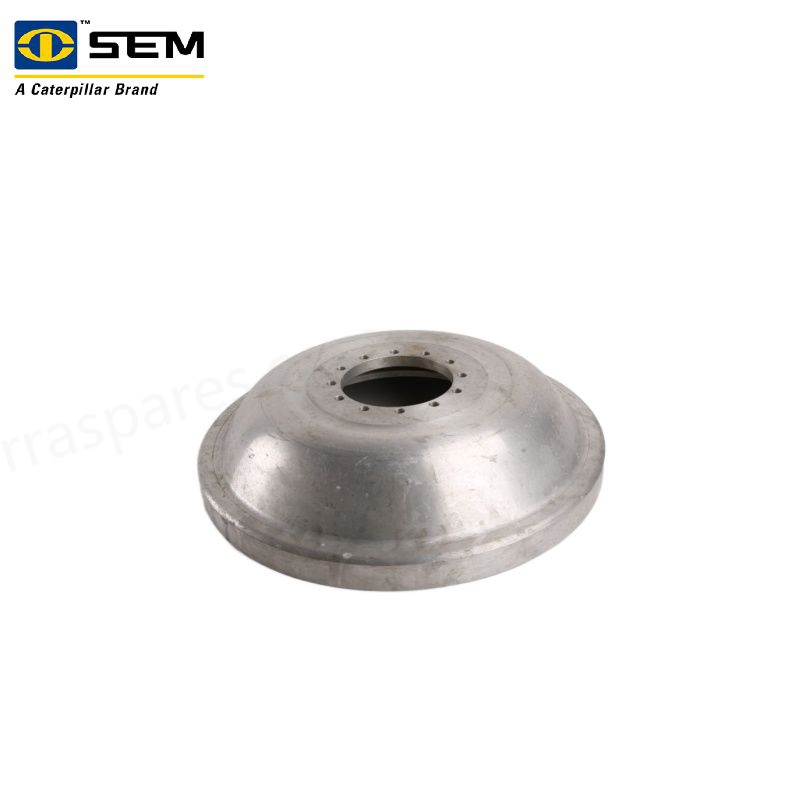
Specification:5846875 5402771 Pulley SEM WHEEL LOADER TRANSMISSION PARTSSEM636D SEM655D SEM656D WHEEL LOADER PARTS